
USD

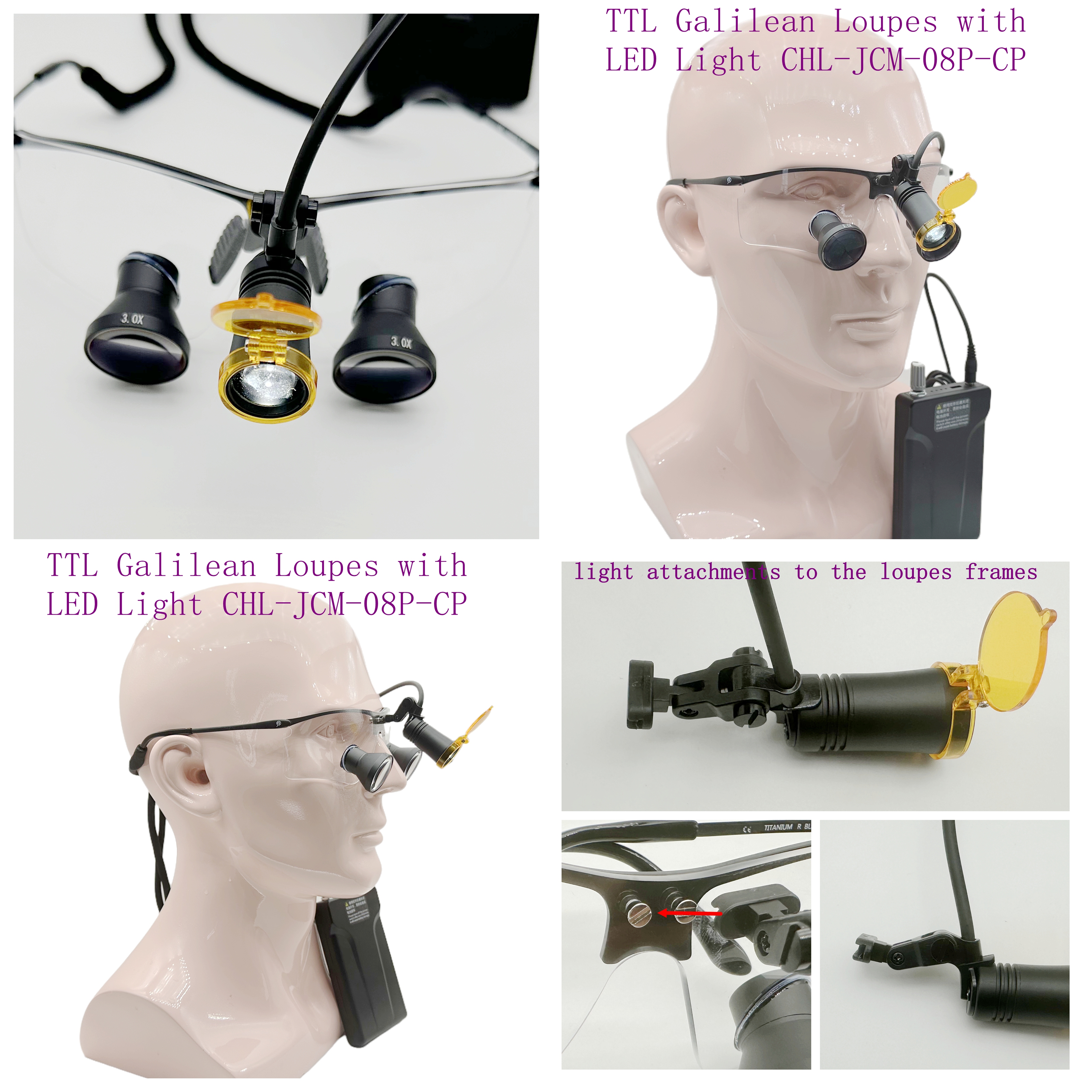
Dental procedures often require attention to details that are difficult to see with the naked eye. From examining small tooth structures to working in confined oral spaces, clear visibility plays an important role in clinical work. Advanced magnification helps dental professionals observe these details more closely. Dental surgical loupes with headlight take this a step further by combining magnification with focused illumination, helping dentists maintain a clearer view of the treatment area.
Dental magnification makes smaller structures appear larger, allowing dentists to examine specific areas with greater visual detail. It can be particularly useful during procedures that involve narrow spaces, delicate structures, and close examination.
Without adequate magnification, professionals may need to adjust their position repeatedly to see certain areas clearly. Dental loupes offer a dedicated viewing solution that supports a more consistent visual approach.
Some important advantages include:
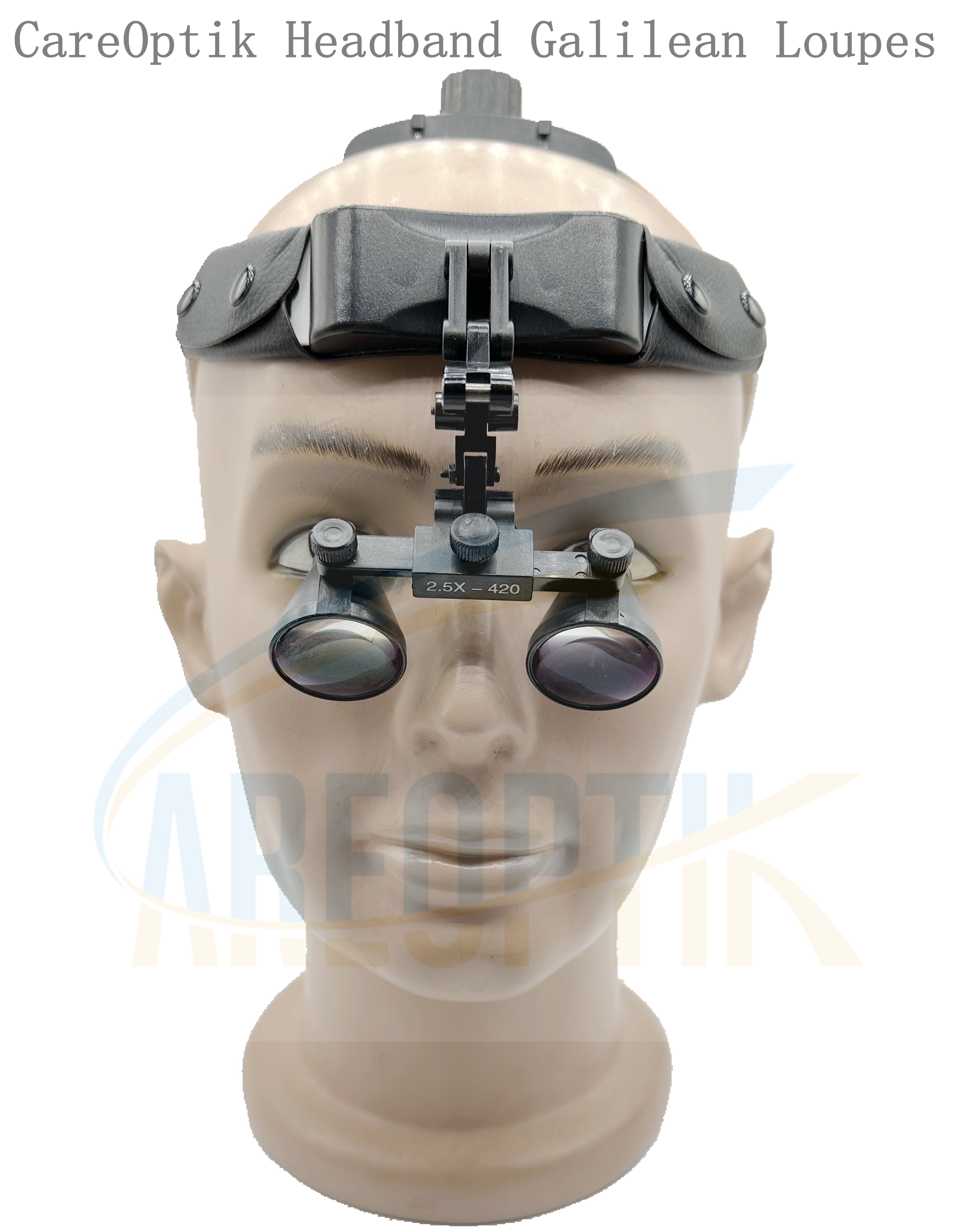
Magnification and illumination serve different purposes but work well together. Loupes enlarge the viewed area, while an attached headlight directs light toward the dentist's field of vision.
This combination is useful when overhead lighting creates shadows or fails to illuminate deeper areas of the mouth adequately.
For example, during endodontic procedures, focused lighting can help dentists observe the working area more clearly. Similarly, restorative treatments may involve examining small margins and surface details that benefit from enhanced visibility.
A headlight positioned alongside dental loupes helps direct illumination toward the area being examined. This reduces dependence on the direction of general room lighting and makes it easier to maintain a consistent view as the dentist changes working positions.
Choosing magnification equipment involves understanding the available designs and how they fit into everyday clinical routines.
Common options include:
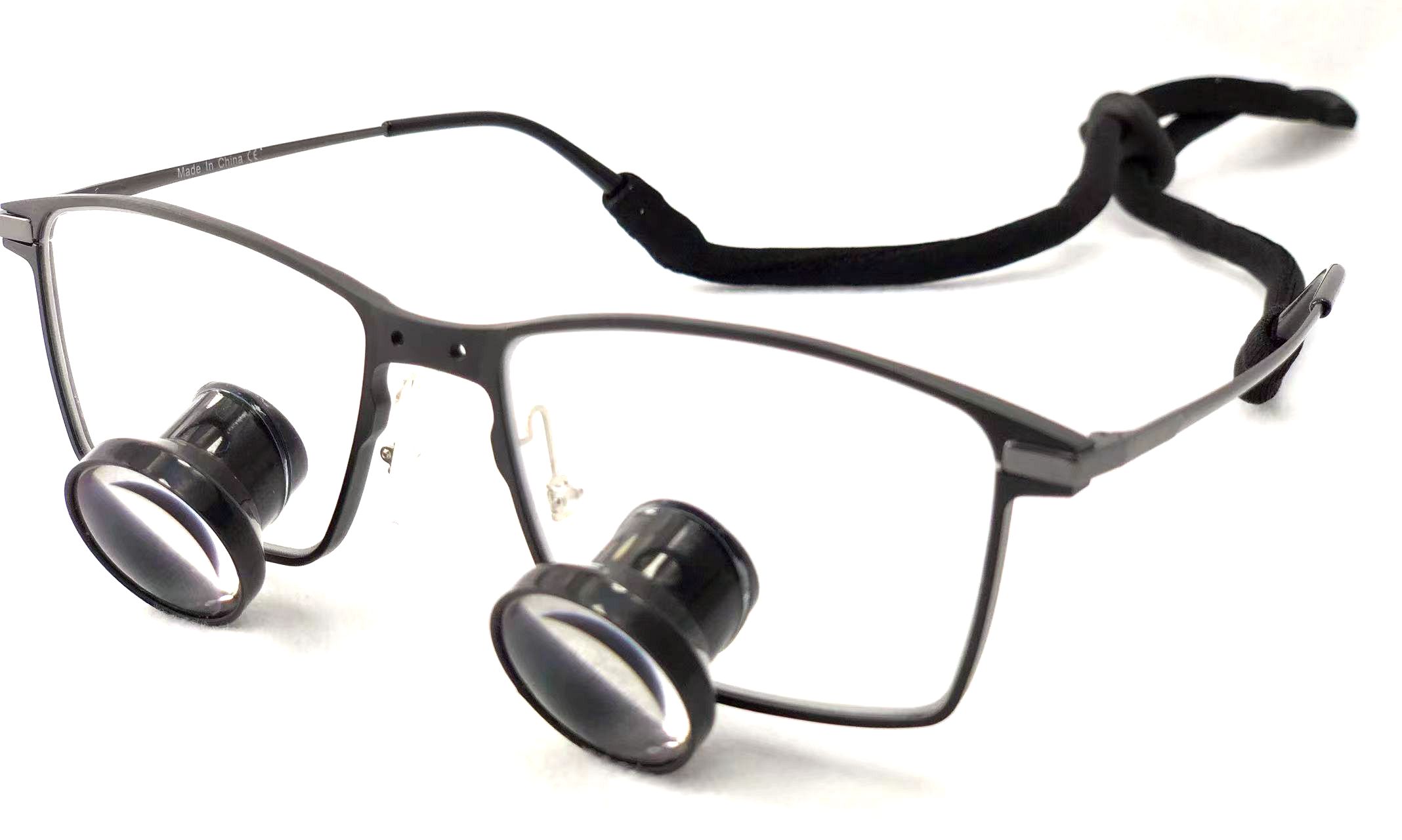
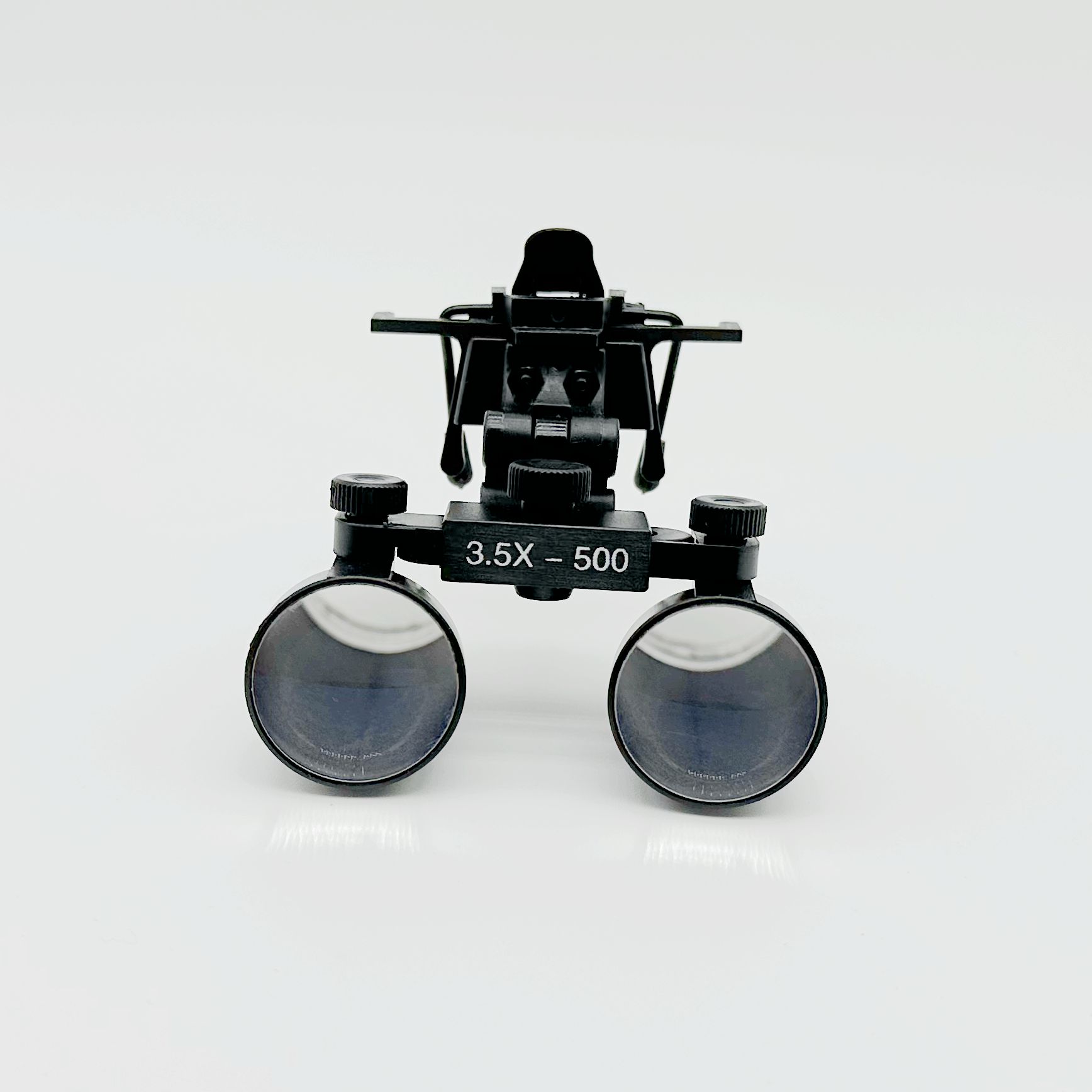
Dental professionals can also consider integrated loupe and light combinations, including flip-up and TTL designs.
The right equipment should suit your working requirements rather than simply offer the highest magnification.
Consider these factors before making a selection:
Better visibility can make detailed dental work easier to approach. By combining suitable magnification with focused illumination, dental surgical loupes with headlight offer a practical option for professionals seeking a clearer view of their clinical work. Exploring different optical designs and lighting combinations can help you identify equipment that fits your procedures, preferences, and everyday practice.
Yes. They can be useful across various clinical tasks that require close visual examination. Their suitability depends on the magnification level, lighting arrangement, and individual dentist's working preferences.
TTL loupes have magnifying optics integrated into the lenses, creating a fixed viewing arrangement. Flip-up loupes allow the optical components to be raised when magnification is not required, offering greater flexibility during different tasks.
A properly positioned headlight directs illumination toward the viewing area, helping reduce shadows caused by overhead lighting or the dentist's own positioning. Its effectiveness depends on light alignment and the surrounding clinical environment.
Consider the procedures you perform most frequently, your working distance, and the amount of detail you need to examine. Testing different magnification levels can help you identify a suitable balance between field of view and visual detail.
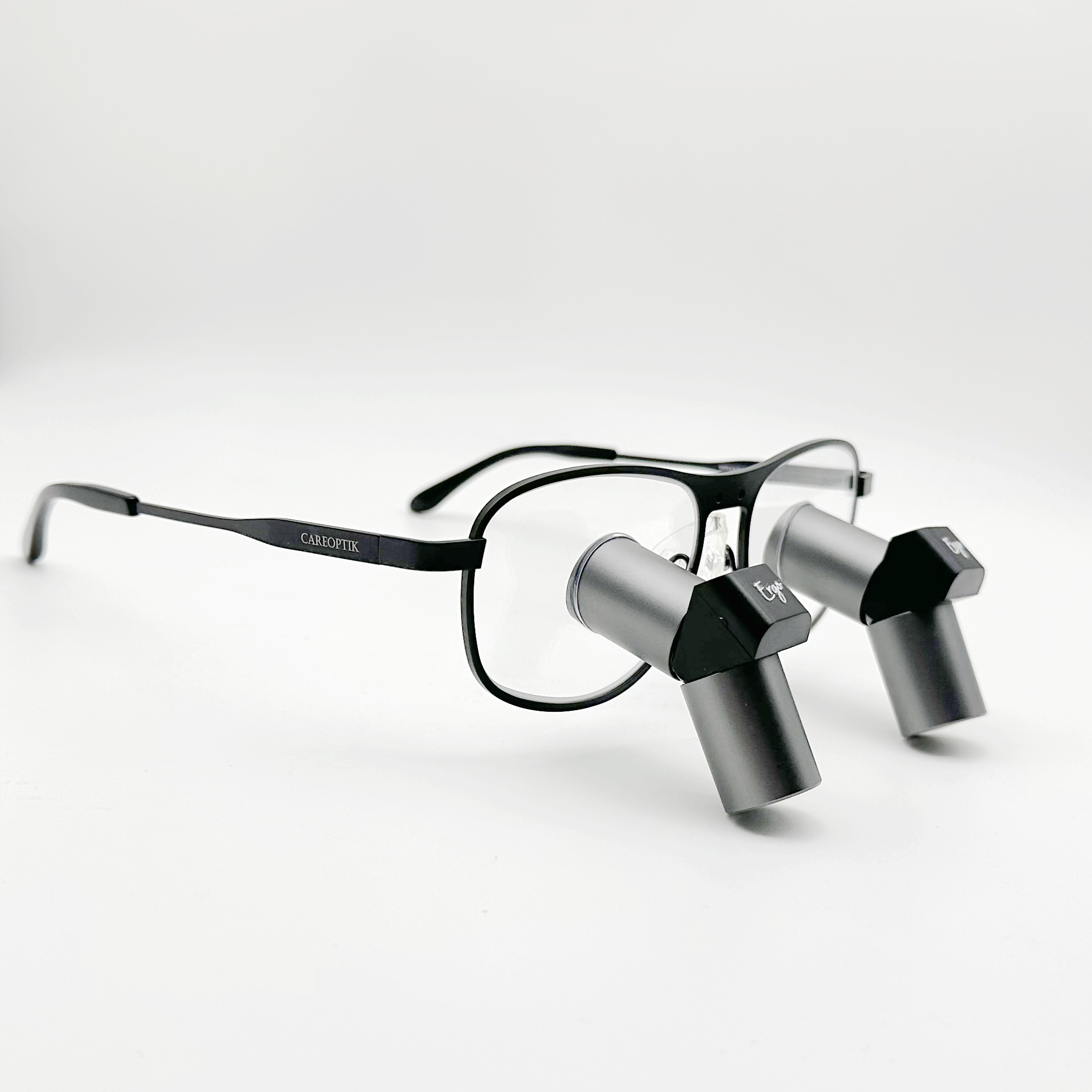
They can support a more consistent viewing position when properly selected and adjusted. Ergonomic designs, including ergo prismatic loupes, offer an angled viewing arrangement intended to help reduce the need to bend the neck while working.